Most people think blisters are caused by their foot moving in their shoe.
It makes sense on the surface. You feel movement. You assume your foot is sliding up and down, back and forth, side to side, until your skin gets rubbed raw.
But that’s not what’s happening.
At least, not at first.
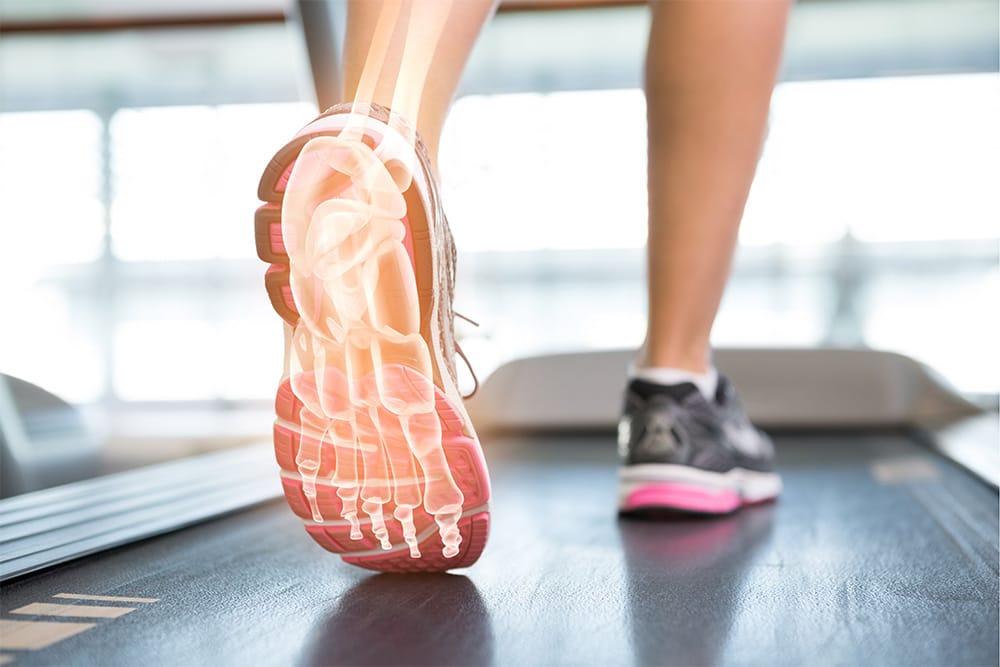
When you feel like your foot is moving in your shoe, what is actually happening first is that the bones are moving within your foot, while the skin surface is being held in place.
What holds the skin surface in place? Traction.
And what provides that traction? Friction.
This is where a lot of the confusion begins.
Friction is not rubbing.
Friction is the force that resists rubbing.
On the feet, friction is usually quite high because of:
- constantly sweating skin
- the enclosed shoe environment
- the pressures of weightbearing
That means the skin, sock, and shoe materials tend to grip together, with little to no relative movement between them.
But the bones keep moving within the foot as part of normal function.
This creates a movement mismatch within the foot.
The result is that the soft tissues of the foot have to stretch and distort to absorb that mismatch.
That internal tissue distortion is called shear.
And this is what causes the blister injury.
Which Movement Actually Matters?
The important movement in blister development is not the foot moving in the shoe.
It is the bone moving within the foot, relative to the fixed skin surface, which creates soft tissue shear distortion.
If that internal tissue distortion is repeated enough times, the tissue fails.
That failure is a tear under the skin surface - that is the actual blister injury.
Fluid then slowly fills that injured space, and the blister becomes visible.
And Here’s The Kicker...
Internal tissue distortion peaks - and blister risk is highest - just before the foot actually moves within the shoe.
The Friction Misconception
So yes, friction matters.
But not because friction means rubbing.
Friction is the grip.
The traction.
The force that resists sliding.
It keeps the skin, sock, and shoe materials stuck together for longer while the underlying bones continue to move.
High Friction
Higher friction means the skin surface stays fixed for longer.
That means greater tissue distortion.
Greater tissue distortion means higher shear.
Higher shear means a shorter time to blister.
Lower Friction
Lower friction does the opposite.
It allows a little earlier slip, which frees the skin up to move more in sync with the bone at a slightly earlier moment. That reduces the magnitude of internal tissue distortion and lowers blister risk.
This is the opposite of what most people think.
Why This Feels Counterintuitive
This idea can feel hard to reconcile at first.
After all, friction, traction, and grip are good things for movement efficiency. They help keep us stable. They help us generate force. They help us move well.
But from a blister point of view, they come with a trade-off: blisters become more likely.
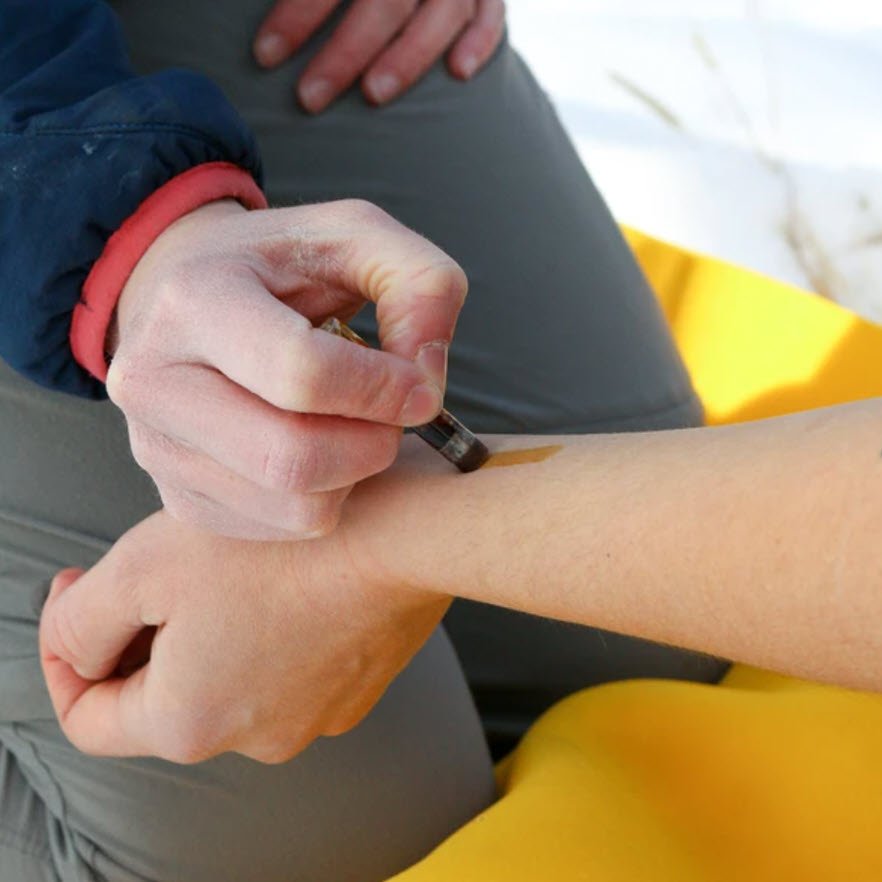
The answer is to implement friction relief only where it is needed:
- over blister-prone areas where you are trying to proactively prevent a blister
- where you have a pre-blister hotspot
- where you have a blister and are seeking pain relief
And to keep friction high everywhere else to maintain traction.
This is actually very easy to do, but it often isn’t.
Take Home Message
Blisters can and do happen without obvious sliding, rubbing, or movement of the foot in the shoe. In fact, that is the most likely scenario. Remember this as you watch the video below. When it feels like your foot is moving in your shoe, it usually isn’t - at least, not at first.
The movement that causes blisters is not happening on the skin. It is happening under the skin. And that is the key shift in thinking.