ENGO Blister Patches For Podiatrists, Athletic Trainers & Pharmacists


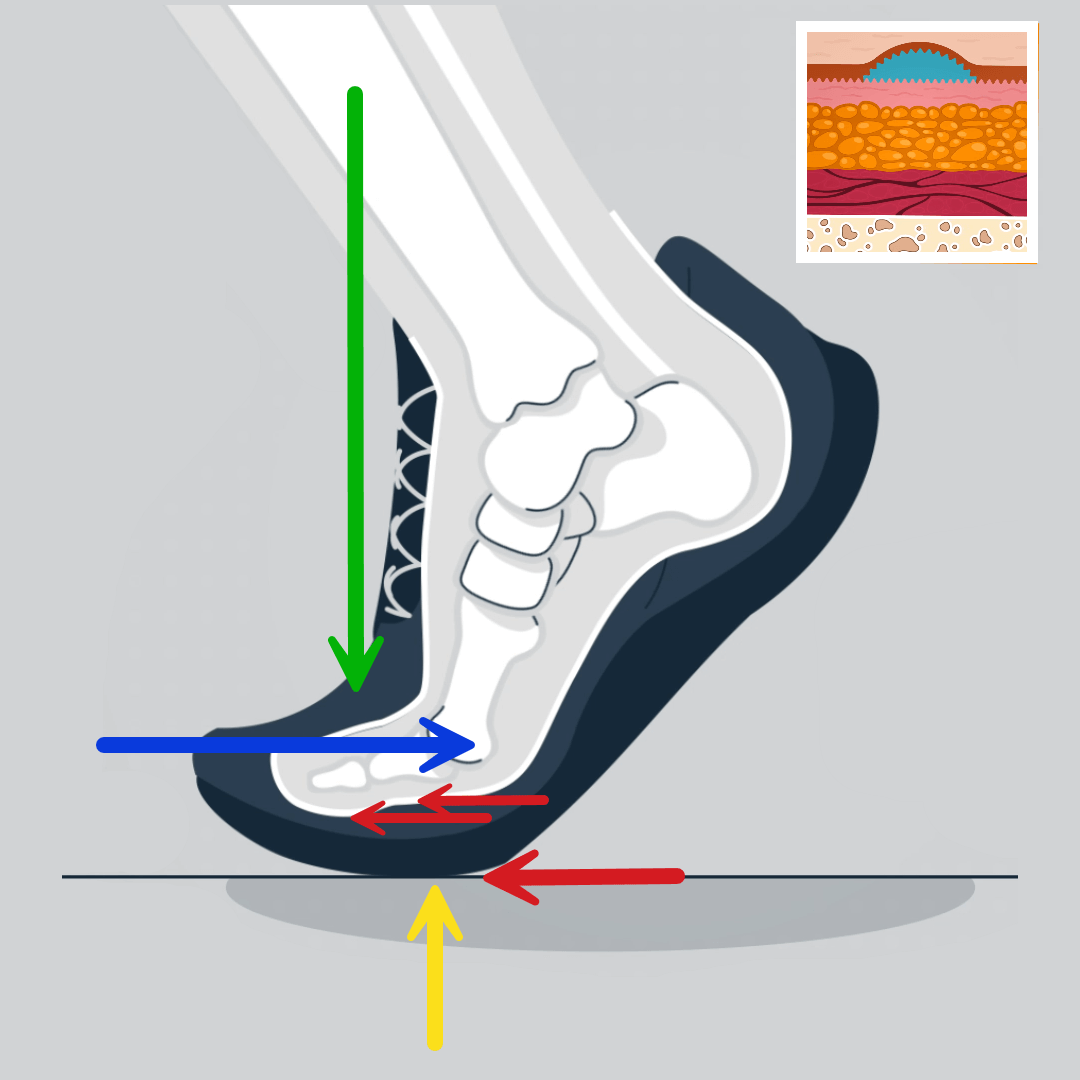
ENGO Blister Patches are adhesive-backed PTFE (polytetrafluoroethylene, commonly referred to as Teflon) stickers that are applied to shoes or insoles, not directly to the skin. They work by reducing the coefficient of friction, which reduces shear deformation in the soft tissues, which is the real cause of blisters. The key advantage of ENGO Patches is that they maintain a consistently low coefficient of friction across different moisture levels – no mean feat! Compared with other blister prevention methods, they’re less bulky, longer lasting, and more targeted. In this presentation, you’ll learn where they work best, where they don’t, and practical advice on how to apply, maintain, and replace them.
 

ENGO Blister Patches Presentation Outline

[0:31] What are ENGO Blister Patches?

[1:32] Quick refresher on what causes friction blisters of the feet

[3:38] How ENGO Patches work

[5:53] ENGO’s evidence and research

[10:39] ENGO vs traditional approaches

[15:39] ENGO patch shapes & pack options

[17:02] Which blisters do ENGO Patches work for

[23:10] How to apply ENGO Patches

[29:42] When to replace ENGO Blister Patches

[30:32] ENGO’s pros and cons

[33:56] Clinical use-cases of ENGO Patches

[38:25] Where your patients can buy ENGO

[38:54] Integrating ENGO Patches into your practice

[39:40] Summary

[40:50] Q & A

  • Soccer boots and recurring blisters in children

  • Best blister care for children diagnosed with epidermolysis bullosa?

  • Is poor fitting footwear the main cause of blisters?

  • How do bamboo socks rate?

  • How can marathoners keep their skin comfortable & intact during events

  • How to best prevent them?

Reading next

It’s Time To Say Goodbye To The Heat-Moisture-Friction Paradigm

Leave a comment

All comments are moderated before being published.

This site is protected by hCaptcha and the hCaptcha Privacy Policy and Terms of Service apply.